5 Life Lessons Martial Arts Teaches You That Go Far Beyond the Dojo
- virtuserrakaran
- Apr 9
- 4 min read
Summary
This blog explains how martial arts teaches valuable life lessons that extend far beyond physical training. It highlights five key lessons: discipline builds genuine confidence, respect develops emotional strength, failure becomes a tool for growth, self-control is more powerful than aggression, and consistency matters more than natural talent. The article emphasizes that martial arts helps both children and adults improve focus, resilience, behavior, and decision-making in everyday life. Overall, it presents martial arts as a path to personal development, showing that its greatest benefits are not just self-defense skills, but the lifelong habits and mindset it builds.
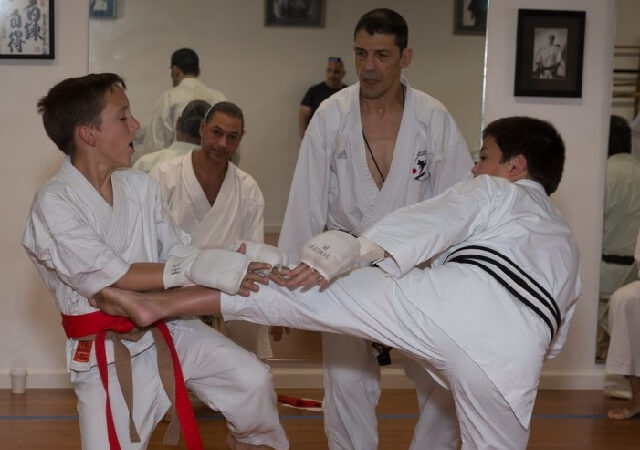
Introduction
Most people begin martial arts Classes for practical reasons: fitness, self-defense, discipline, or confidence. But after a few weeks on the mat, many students realize something deeper is happening. Martial arts is not only about learning punches, kicks, or forms, it teaches life principles that carry into school, work, family life, and everyday challenges.
Whether you are a parent exploring classes for your child or an adult considering training for yourself, martial arts offers lessons that stay with you long after class ends. These lessons shape mindset, character, and resilience in ways few other activities can.
Here are five of the most important life lessons martial arts teaches, and why they matter far beyond training.
1. Discipline Builds Real Confidence
In martial arts, progress does not happen overnight. A student earns improvement through repetition, patience, and consistent effort.
At first, tying a belt correctly or remembering a simple sequence may feel difficult. Over time, however, repeated practice creates mastery. This teaches an important truth: confidence is built through discipline, not shortcuts.
For children, this often improves behavior at school because they begin understanding structure and accountability. For adults, it develops stronger habits in work and personal goals.
A student who attends class regularly learns that showing up, even on difficult days, is often the first step toward success.
2. Respect Is Strength, Not Weakness
One of the first things martial arts students learn is respect: bowing to instructors, listening carefully, and treating training partners with care.
This culture teaches that true strength is controlled, not aggressive. Knowing how to defend yourself does not mean seeking conflict. Instead, martial arts trains people to remain calm, measured, and respectful under pressure.
This lesson becomes valuable in daily life:
Respect improves communication
Listening prevents unnecessary conflict
Emotional control leads to better decisions
Programs like those offered through structured karate schools such as Rokah Karate's Karate Classes in Los Angeles often emphasize character development as much as physical skill, which is one reason families are drawn to martial arts training.
3. Failure Is Part of Growth
In martial arts, mistakes are unavoidable.
You will forget techniques. You may lose sparring rounds. You may struggle with balance, timing, or coordination. But unlike many environments where failure feels embarrassing, martial arts treats mistakes as part of learning.
This creates resilience.
Students begin to understand:
Failure is feedback
Improvement comes from correction
Persistence matters more than perfection
This mindset is powerful in real life. Children become less afraid to try new things. Adults become more comfortable facing setbacks without quitting.
A missed kick in class becomes a lesson in persistence, not defeat.
4. Self-Control Is More Powerful Than Force
Popular media often portrays martial arts as fighting. In reality, one of its greatest teachings is restraint.
A skilled martial artist learns when not to react.
Students practice controlling their movements, breathing, emotions, and responses. This translates directly into better anger management, clearer thinking in stressful situations, and safer decision-making.
For kids, this often means fewer impulsive reactions. For adults, it can improve conflict resolution at home or work.
Real self-defense begins with awareness and control, not aggression.
If you're researching beginner-friendly programs, it's helpful to learn more here about schools that prioritize personal growth alongside technique rather than focusing only on competition.
5. Consistency Beats Talent
Some students begin martial arts naturally flexible, fast, or athletic. Others struggle at first.
Yet over time, the students who improve most are rarely the most talented, they are the most consistent.
Martial arts teaches a lesson that applies to every part of life: steady effort outperforms raw ability when practiced long enough.
This is one of the most transformative lessons for both children and adults because it changes how people approach challenges:
Progress becomes measurable
Patience becomes easier
Long-term goals feel achievable
A white belt who keeps training eventually surpasses the gifted beginner who gives up too soon.
Key Takeaways
Martial arts teaches much more than physical techniques. Its deeper value lies in the character it builds:
Discipline creates confidence
Respect strengthens relationships
Failure develops resilience
Self-control prevents conflict
Consistency leads to lasting success
These are not just martial arts lessons, they are life lessons.
Conclusion
The true value of martial arts is not limited to the dojo floor. It appears in the child who becomes more focused in school, the adult who handles stress with calmness, and the student who learns to keep going after setbacks.
That is why martial arts continue to attract people of all ages. Beyond fitness and self-defense, it teaches habits that improve everyday life in meaningful, lasting ways.
In the end, martial arts is less about learning how to fight, and more about learning how to live well.

Comments