A Complete Guide to Karate Classes in Los Angeles and Their Benefits
- virtuserrakaran
- Apr 8
- 4 min read
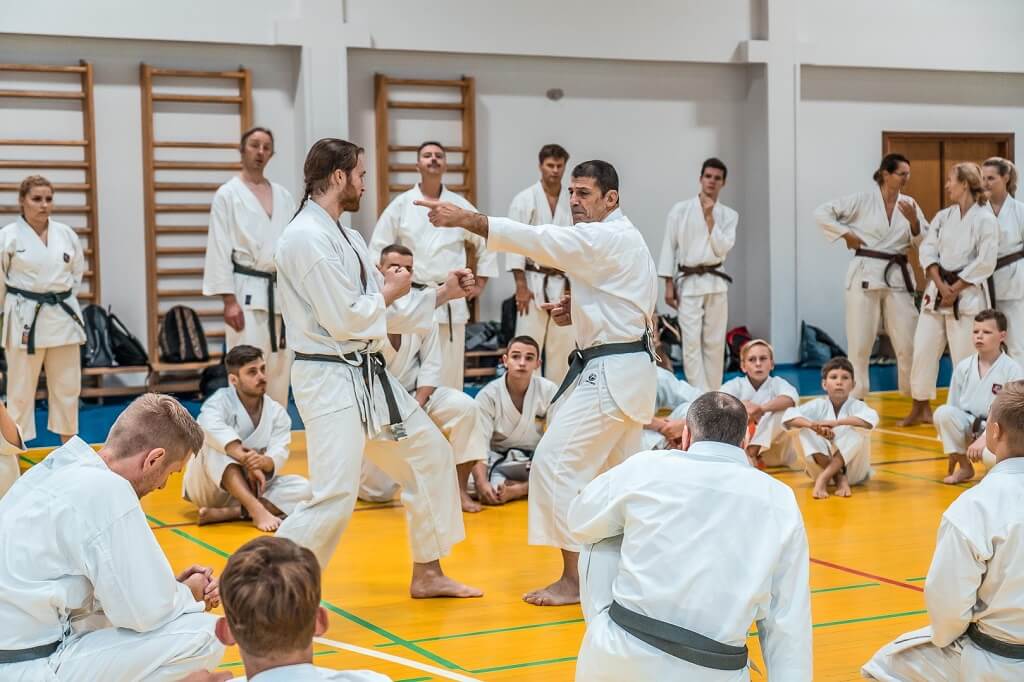
Karate classes in Los Angeles offer structured training that builds discipline, fitness, and real-world self-defense skills. Whether you are a beginner or returning student, the right program can improve both physical ability and mental focus.
This guide explains how to choose the right class, what to expect, and how karate training benefits both adults and children in practical ways.
Quick Answer: How to Get Started with Karate Classes
Identify your goal: fitness, self-defense, or competition
Search for adult karate classes near me or beginner-friendly dojos
Visit 1–2 schools and observe a class
Check instructor credentials and teaching style
Start with 2–3 classes per week for consistency
Focus on basics: stance, balance, and control
Track progress through belt systems and skill improvement
Consistent training matters more than intensity at the start.
Why This Problem Happens
Many people struggle to choose the right karate class because options vary widely in quality and structure.
Common reasons include:
Lack of clarity about personal goals
Confusion between traditional and modern training styles
Overcrowded or poorly structured classes
Instructors focusing more on business than teaching
Programs that don’t match age or skill level
Not all karate schools teach practical skills—some focus only on form without application.
Step-by-Step Solution
1. Define Your Purpose
Decide why you want to train. Fitness, discipline, and self-defense require slightly different approaches.
Clear goals help you choose the right training environment.
2. Choose the Right Class Type
Look for:
Beginner-friendly sessions
Structured progression (belt system)
Separate programs for adults and kids
For parents, kids self defense classes should include situational awareness and controlled drills.
3. Evaluate the Instructor
A good instructor:
Demonstrates techniques clearly
Corrects mistakes individually
Maintains discipline without intimidation
Instructor quality has a bigger impact than the dojo itself.
4. Observe Before Joining
Attend a trial class and look for:
Student engagement
Clean and safe training space
Balanced focus on technique and conditioning
5. Start with Basics
Focus on:
Stances (foundation of balance)
Basic strikes and blocks
Controlled movement
Strong fundamentals prevent injuries and improve long-term progress.
6. Stay Consistent
Train at least 2–3 times per week.
Avoid long breaks
Review techniques at home
Track improvement through small milestones
Common Mistakes to Avoid
Choosing a class based only on price
Ignoring instructor qualifications
Expecting quick results
Skipping basics to learn advanced moves
Training inconsistently
Joining overcrowded classes with little personal attention
Confusing fitness classes with actual martial arts training
Progress in karate comes from repetition, not shortcuts.
Advanced Tips or Expert Insight
Karate training becomes effective when technique meets timing and control.
Here are deeper insights most beginners miss:
Focus on distance management: Knowing how far you are from an opponent matters more than speed
Train reaction, not memorization: Real self-defense is unpredictable
Condition your body gradually: Flexibility and strength reduce injury risk
Understand application (bunkai): Every movement has a practical use
Control breathing: Proper breathing improves endurance and power
Advanced students often revisit beginner techniques to refine them.
Mastery is not learning more moves—it’s improving the same moves repeatedly.
For a deeper breakdown of training progression and technique refinement, this resource on structured martial arts development explains how skill evolves over time in different training systems.
Real-World Application or Context
Karate is not just about training in a dojo—it applies directly to everyday situations.
For Adults
Improved confidence in public spaces
Better posture and physical control
Stress management through structured movement
Practical self-defense awareness
For Children
Discipline and focus in school
Respect for rules and authority
Ability to recognize and avoid dangerous situations
Confidence in social interactions
Well-structured kids self defense classes teach avoidance first, not aggression.
Example Situations
A child learning how to respond to bullying without escalating conflict
An adult improving reaction time and awareness in crowded environments
A beginner developing balance and coordination within the first few weeks
Karate training builds habits that carry into daily life, not just physical skills.
FAQ Section
1. How often should I attend karate classes?
2–3 times per week is ideal for beginners. Consistency is more important than training intensity.
2. Are karate classes suitable for beginners?
Yes. Most programs are structured to start with basic movements and gradually build skill.
3. What should I look for in adult karate classes near me?
Look for qualified instructors, structured lessons, and a focus on both technique and application.
4. Are kids self defense classes safe?
Yes, when properly taught. They focus on awareness, control, and avoiding conflict rather than fighting.
5. How long does it take to see results?
Most students notice improvements in coordination and confidence within 4–6 weeks.
Final Thoughts
Karate classes in Los Angeles provide a structured way to build discipline, confidence, and real self-defense skills. The key is choosing the right program and staying consistent.
If you want to understand training methods, progression, and how different styles impact learning, this detailed guide offers additional clarity on how structured martial arts programs develop long-term skill.
Start simple, stay consistent, and focus on fundamentals—the results will follow naturally.
Comments