Are Whitening Trays Safe for Sensitive Teeth?
- virtuserrakaran
- Mar 7
- 4 min read
Teeth whitening is one of the most requested cosmetic dental treatments, but many people hesitate because of tooth sensitivity. If cold drinks, sweets, or brushing already cause discomfort, it’s natural to wonder whether whitening trays will make things worse.
The good news is that whitening trays can still be used safely for people with sensitive teeth, when the right approach is used. The key factors include gel concentration, treatment duration, and whether the trays are professionally customized.
Many dental professionals recommend custom teeth whitening trays or similar dentist-supervised systems because they allow better control over whitening agents and reduce irritation compared to generic over-the-counter kits.
Understanding how whitening trays interact with sensitive teeth helps patients achieve brighter smiles while minimizing discomfort.
Why Teeth Become Sensitive During Whitening
Tooth sensitivity during whitening occurs because peroxide-based whitening agents temporarily open microscopic pores in enamel.
These pores allow the whitening gel to penetrate and break down stains within the dentin layer of the tooth.
However, this process can also stimulate nerve endings inside the tooth, which may cause temporary sensitivity.
According to research published in the Journal of the American Dental Association, mild tooth sensitivity occurs in approximately 60–70% of whitening patients, but it usually resolves within 24–48 hours.
Are Whitening Trays Safe for Sensitive Teeth?
Yes—whitening trays can be safe for sensitive teeth when used correctly.
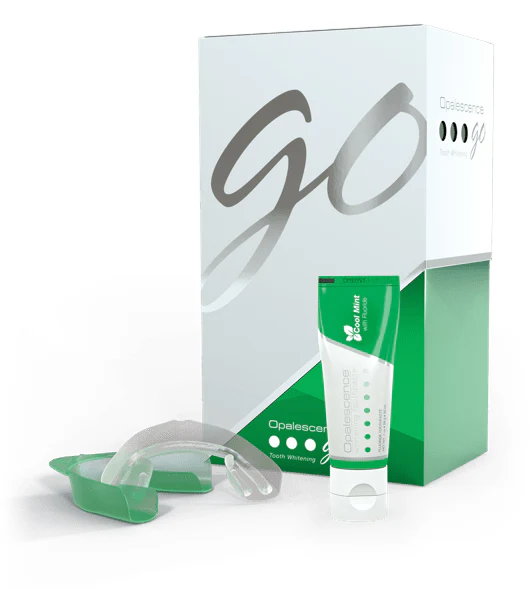
Dental professionals often recommend dental teeth whitening trays because they allow better control over gel placement and exposure time.
Compared with whitening strips or pens, trays can provide a more even application and reduce direct contact with gums.
Professionally designed custom tray teeth whitening systems are particularly beneficial for people with sensitivity because they are molded to fit the teeth precisely.
This customized fit prevents whitening gel from leaking onto the gums, which can cause irritation.
Why Custom Whitening Trays Are Safer for Sensitive Teeth
Generic whitening trays sold in stores are designed to fit a wide range of mouth shapes. Unfortunately, this often leads to poor gel distribution and increased exposure of soft tissues.
Custom teeth whitening trays are created from impressions of the patient’s teeth, allowing for a snug and controlled fit.
Benefits of Custom Whitening Trays
Even distribution of whitening gel
Reduced gum irritation
Lower risk of chemical burns
More predictable whitening results
Adjustable treatment schedules for sensitive patients
Because of these advantages, dentists frequently recommend teeth trays for whitening that are customized rather than store-bought.
Patients considering custom teeth whitening trays in phoenix often choose this option because it allows for safer whitening tailored to individual sensitivity levels.
How Dentists Reduce Sensitivity During Whitening
When patients report sensitive teeth, dental professionals may modify whitening treatments to minimize discomfort.
Common strategies include:
1. Lower Concentration Whitening Gel
Lower peroxide concentrations can still whiten teeth effectively while reducing sensitivity.
2. Shorter Treatment Sessions
Instead of wearing trays for several hours, dentists may recommend shorter sessions spread across multiple days.
3. Desensitizing Agents
Many whitening systems include ingredients such as:
Potassium nitrate
Fluoride
Calcium phosphate
These ingredients help calm nerve activity inside the tooth.
4. Professional Monitoring
A teeth whitening trays dentist-supervised approach allows adjustments if sensitivity develops.
This personalized monitoring is often recommended by a dentist practice when treating patients with known sensitivity issues.
Who Should Avoid Whitening Trays?
Although whitening trays are generally safe, some individuals should delay whitening treatment.
Whitening trays may not be recommended for people with:
Untreated cavities
Severe enamel erosion
Exposed tooth roots
Active gum disease
Recent dental restorations
A dental evaluation helps determine whether whitening is appropriate before beginning treatment.
Tips for Using Whitening Trays with Sensitive Teeth
Patients with sensitivity can still achieve whitening results by following a few simple precautions.
Practical Whitening Tips
Use whitening treatments every other day instead of daily
Apply only a small amount of gel in each tray compartment
Avoid acidic or very cold drinks during treatment
Use desensitizing toothpaste for two weeks before whitening
Stop treatment if severe sensitivity occurs
Many patients find that spacing treatments apart significantly reduces discomfort while still producing visible whitening results.
Professional vs Store-Bought Whitening Trays
Patients often compare dentist-supervised trays with over-the-counter whitening kits.
Feature | Store-Bought Trays | Dentist-Supervised Trays |
Tray fit | Generic | Custom molded |
Gel concentration | Standard | Adjustable |
Gum protection | Limited | Better control |
Sensitivity management | Minimal | Personalized |
Result predictability | Moderate | Higher |
For patients with sensitivity, professionally designed custom tray teeth whitening systems generally offer the safest and most controlled approach.
Frequently Asked Questions
Can sensitive teeth still be whitened?
Yes. Many patients with mild to moderate sensitivity can safely whiten their teeth using professionally supervised whitening trays.
Do whitening trays cause permanent sensitivity?
No. Whitening-related sensitivity is typically temporary and resolves within a few days after treatment ends.
Are custom teeth whitening trays better for sensitive teeth?
Yes. Custom teeth whitening trays provide a precise fit, reducing gel leakage and minimizing irritation.
How long should I wear whitening trays if I have sensitive teeth?
Your dentist may recommend shorter sessions or spacing treatments every other day to reduce sensitivity.
What helps reduce sensitivity during whitening?
Desensitizing toothpaste, fluoride treatments, and lower concentration whitening gels can help minimize discomfort.
Key Takeaways
Whitening trays can be safe for sensitive teeth when used correctly.
Sensitivity occurs because whitening agents temporarily open enamel pores.
Custom teeth whitening trays reduce irritation by improving gel placement.
Lower concentration gels and shorter sessions can minimize discomfort.
Professional supervision helps adjust treatment if sensitivity develops.
If you are located in Arizona, Texas and exploring a professional providing custom teeth whitening trays dental clinic in phoenix can help determine the safest treatment approach for your teeth.


Comments